
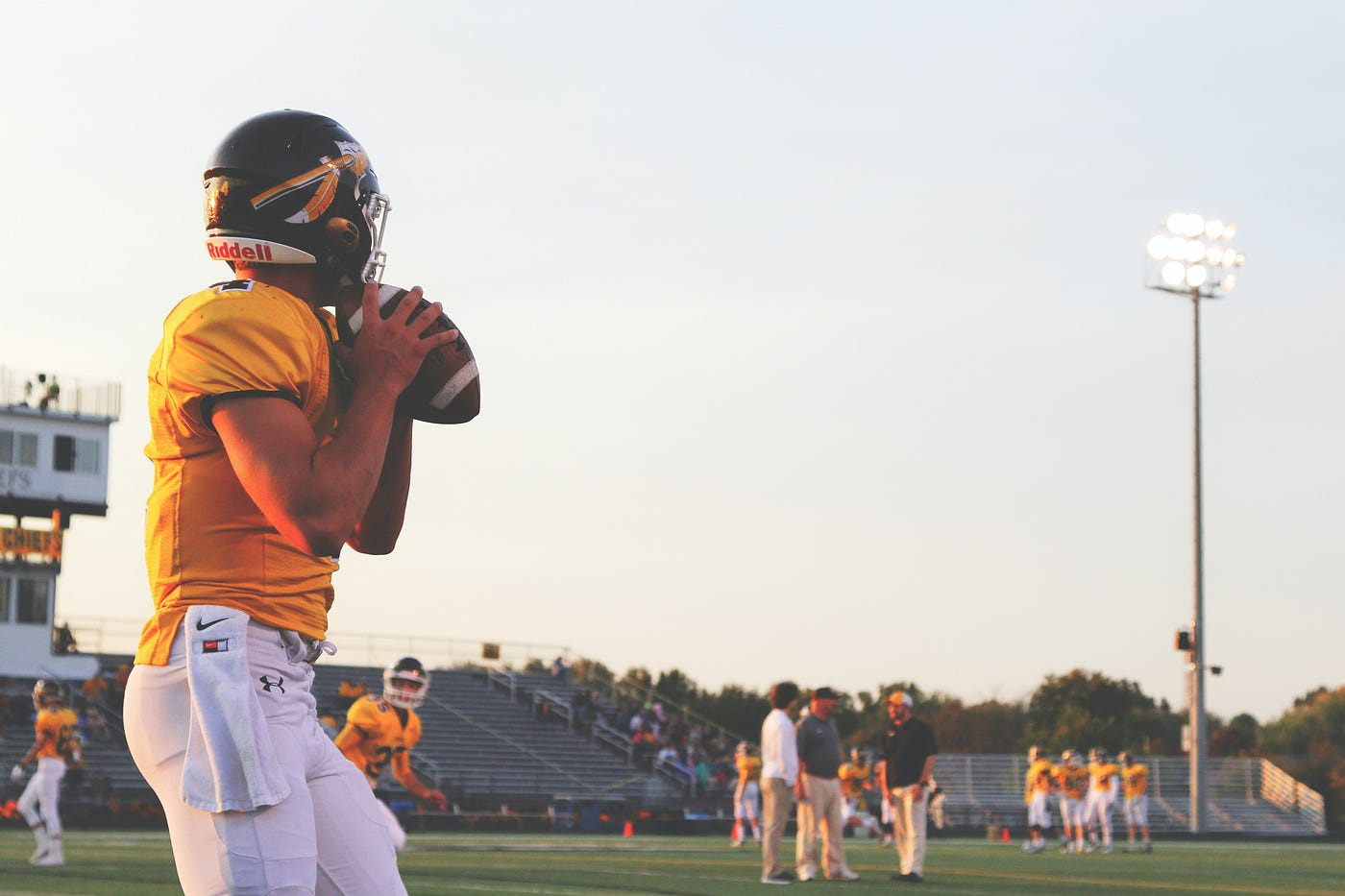
For many fans, supporting their team offers belonging, excitement, and loyalty — but increasingly, some rivalries in sports fandom are also fueling aggressive, harmful behaviour. A recent 2025 study of fan culture highlighted a troubling rise in what it calls “irrational behaviours”: from personal attacks and cyber-harassment against athletes to doxxing and online threats after big matches. These incidents show how the emotional intensity that once galvanized supportive fan communities is now sometimes transforming into harassment and conflict — undermining sportsmanship and the safety of players and fans alike.
Psychologically, the roots of this dangerous turn trace back to group identity and social psychology. According to Social Identity Theory and related research on group behaviour, fans often shift from an individual identity to a “we vs. they” mindset — defining themselves by their team and contrasting with rival teams. While this sense of belonging strengthens in-group cohesion, it also deepens out-group hostility: rival fans come to be viewed not merely as supporters of another team, but as adversaries or threats. That sense of “us vs. them” can escalate quickly, especially on social media or in high-stakes rivalry games.
Yet rivalries don’t have to be destructive. Fan culture can also foster social connection, shared identity, and cross-community bonds — as long as respect remains central. Understanding why fan aggression arises — psychologically, socially, culturally — is the first step toward addressing it. For sports leagues, clubs, and fan communities: promoting respectful discourse, enforcing clear behaviour standards, and encouraging empathy can help shift rivalries back toward healthy competition and shared love of sport.





Leave a Reply