

esportelo.com – Mobility training has become a cornerstone of modern fitness in 2025, shifting the focus from mere strength or cardio to fluid, pain-free movement. Unlike flexibility (which is passive stretching), mobility is active—improving the range of motion (ROM) in joints while building strength and control throughout that range. Popularized by experts like Kelly Starrett and programs like Functional Range Conditioning (FRC), mobility training helps prevent injuries, enhance athletic performance, and improve daily life quality. Whether you’re an athlete, office worker with tight hips, or someone recovering from injury, incorporating mobility work can transform how your body moves and feels.
What Is Mobility Training?
Mobility refers to the ability of a joint to move actively through its full range of motion with control. It combines:
- Joint health: Capsule strength and synovial fluid production.
- Muscle flexibility: Lengthened muscles that don’t restrict movement.
- Neuromuscular control: The brain’s ability to recruit muscles efficiently.
Key differences:
- Flexibility: Passive (e.g., static stretching).
- Mobility: Active and dynamic (e.g., controlled articular rotations or loaded stretches).
Poor mobility often leads to compensatory patterns, causing pain in areas like the lower back, shoulders, or knees.
Benefits of Mobility Training
- Injury Prevention Better joint ROM reduces strain on ligaments and tendons—studies show improved ankle mobility lowers ACL injury risk in athletes.
- Enhanced Performance Full squats, deeper lunges, or overhead reaches become easier, boosting strength gains and sports skills.
- Pain Relief and Posture Addresses common issues like tight hips from sitting or rounded shoulders from desk work.
- Aging Gracefully Maintains independence—mobility declines with age, but consistent training slows it.
- Mental Well-Being Mindful movement reduces stress and improves body awareness.
In 2025, mobility is integrated into programs like CrossFit, yoga hybrids, and corporate wellness for remote workers.
Essential Mobility Training Exercises
Start with 10-15 minutes daily:
- Controlled Articular Rotations (CARs): Slow circles for hips, shoulders, spine (FRC staple).
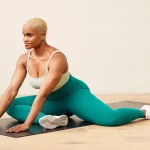
- 90/90 Hip Mobility: Sit in 90/90 position, alternate leaning forward/back.
- Thoracic Spine Openers: Cat-cow or thread-the-needle for upper back rotation.
- Ankle Mobility: Knee-to-wall stretches or calf raises with dorsiflexion.
- Cossack Squats: Side-to-side lunges for hips and groin.
- World’s Greatest Stretch: Dynamic lunge with thoracic twist.
- Pigeon Pose with Active Engagement: Hip opener with glute activation.
Tools: Yoga blocks, resistance bands, or foam rollers for assistance.
How to Build a Mobility Routine in 2025
- Daily Practice: 10-20 minutes morning/evening.
- Apps and Programs: Follow “Become a Supple Leopard” by Kelly Starrett, ROMWOD, or apps like GOWOD and Pliability.
- Track Progress: Measure ROM (e.g., shoulder reach or squat depth) monthly.
- Combine with Strength: Mobility without strength is unstable—pair with bodyweight or weights.
- Recovery Focus: Include breathing and mindfulness for nervous system calm.
Trends in 2025: Wearables like WHOOP track recovery/mobility scores, while VR-guided sessions make training immersive.
Mobility training is the missing link in many fitness routines—it’s not about being “flexible like a gymnast,” but moving freely and powerfully in everyday life. Start small, be consistent, and feel the difference: less pain, better posture, and effortless movement. In a sedentary world, mobility is the key to staying active for life. Your joints will thank you!




Leave a Reply